





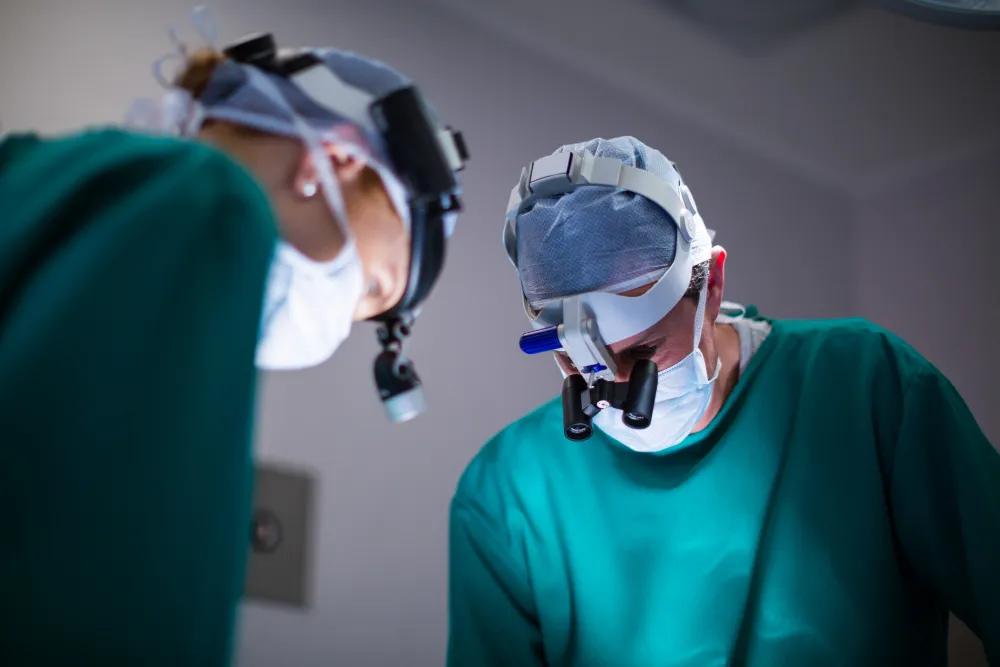
Oral and facial injuries can range from minor lacerations to complex fractures affecting the jaw, teeth, and facial bones. Proper diagnosis, treatment, and rehabilitation are critical to restoring both function and appearance. An experienced oral maxillofacial surgeon is specially trained to manage these injuries with precision, ensuring optimal recovery and long-term oral health.
This article highlights the role of an oral maxillofacial surgeon in treating oral injuries, the types of cases they handle, and why specialized care matters.
Understanding the Role of an Oral Maxillofacial Surgeon
An oral maxillofacial surgeon is a medical professional trained in both dentistry and surgery, capable of addressing a wide range of oral and facial conditions. Their expertise spans:
- Trauma management, including fractures of the jaw, cheek, and facial bones
- Complex tooth extractions, including impacted wisdom teeth
- Dental implant placement and bone grafting
- Corrective jaw surgery for functional or aesthetic concerns
- Treatment of facial infections and cysts
By combining surgical precision with deep knowledge of oral anatomy, an oral maxillofacial surgeon provides comprehensive care for injuries that may affect both health and appearance.
Common Oral Injuries Treated by an Oral Maxillofacial Surgeon
1. Jaw Fractures
Fractures in the upper or lower jaw can result from sports accidents, falls, or trauma. Surgical repair by an oral maxillofacial surgeon restores alignment, bite function, and facial symmetry.
2. Dental Trauma
Severely damaged, displaced, or avulsed teeth require immediate attention. A specialized surgeon can stabilize teeth, perform necessary extractions, or prepare the site for implants, ensuring minimal long-term complications.
3. Soft Tissue Injuries
Cuts, lacerations, and tissue damage in the oral cavity or facial region can affect speech, eating, and healing. An oral maxillofacial surgeon skillfully repairs soft tissue to reduce scarring and promote proper function.
4. Facial Bone Injuries
Complex fractures of the cheek, orbital bones, or nose often accompany oral trauma. Multidisciplinary care from an oral maxillofacial surgeon ensures structural integrity and aesthetic restoration.
Why Specialized Care Matters
Oral injuries can lead to serious complications if not treated promptly and accurately. Improper healing may result in:
- Chronic pain or jaw dysfunction
- Misaligned bite or facial asymmetry
- Infections and delayed recovery
- Long-term cosmetic issues
Seeking treatment from an oral maxillofacial surgeon minimizes these risks and provides a pathway to safe, effective recovery.
Advanced Techniques and Personalized Care
Modern oral maxillofacial surgeons use advanced diagnostic imaging, minimally invasive surgical techniques, and computer-guided procedures to achieve precise outcomes. Personalized treatment plans address both functional and aesthetic concerns, ensuring patients regain normal oral health while preserving facial appearance.
Rehabilitation, including physiotherapy or dental restoration, is often coordinated by the surgeon to ensure a complete recovery.
Choosing the Right Oral Maxillofacial Surgeon
Patients should look for the following when selecting an oral maxillofacial surgeon:
- Board certification and specialized training
- Extensive experience in trauma and complex oral procedures
- Access to modern surgical technology
- Patient-centered communication and post-treatment follow-up
The right surgeon ensures confidence, safety, and optimal results for all oral injuries.
Conclusion
Oral and facial injuries require prompt, precise, and expert care. An oral maxillofacial surgeon provides comprehensive treatment for trauma, fractures, and complex dental conditions, combining medical expertise with surgical skill.
Disclaimer
This content is for informational purposes only and is not a substitute for professional medical advice. Always consult a qualified oral maxillofacial surgeon or healthcare professional for diagnosis, treatment, or concerns regarding oral or facial injuries.