



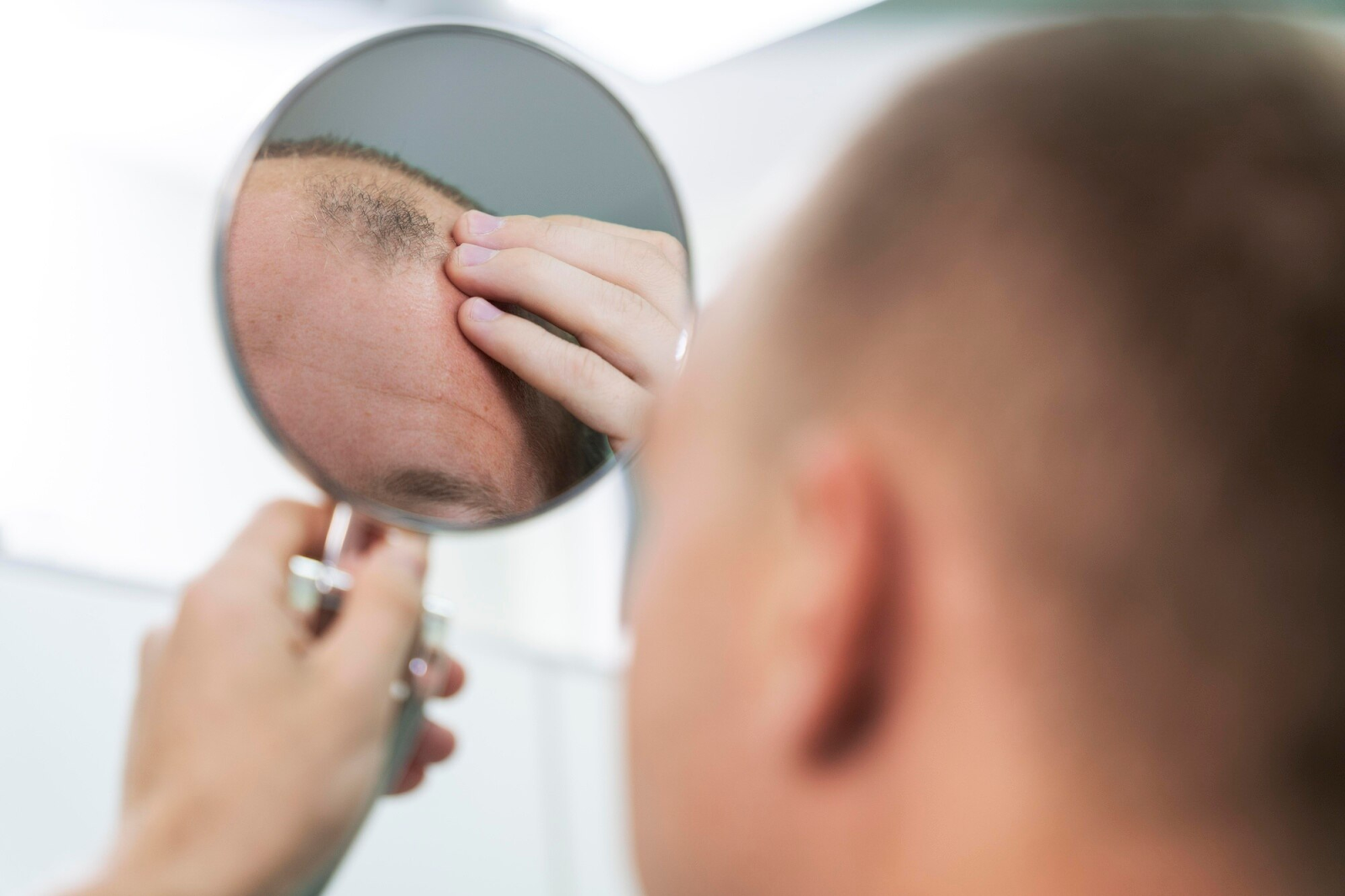
Hair transplantation has become an increasingly refined and reliable solution for people experiencing hair thinning or pattern baldness. If you are considering a procedure, one of the most important decisions you will face is choosing between FUE hair transplant in London and FUT hair transplant in London. Both techniques are widely performed, clinically established, and capable of delivering natural-looking results. However, they differ in technique, recovery, scarring, and suitability depending on individual needs.
Understanding how each method works and which factors should guide your decision can help you move forward with confidence.
Understanding The Basics Of FUE And FUT
Before comparing them, it is helpful to understand what each procedure involves.
FUE (Follicular Unit Extraction)
FUE hair transplant in London involves extracting individual hair follicles directly from the donor area, typically the back or sides of the scalp. Each follicular unit is removed one by one using a small punch tool and then implanted into thinning or bald areas.
Because the follicles are extracted individually, the procedure leaves tiny circular marks that are generally less visible once healed.
FUT (Follicular Unit Transplantation)
FUT hair transplant in London, sometimes referred to as the “strip method,” involves removing a thin strip of scalp from the donor area. The strip is then carefully dissected under a microscope into individual follicular units before being transplanted into the recipient area.
This method results in a linear scar in the donor region, which is usually concealed by surrounding hair.
Key Differences Between FUE And FUT
While both techniques aim to achieve natural hair growth, they differ in several important ways.
1. Scarring
Scarring is one of the main factors patients consider.
- FUE leaves multiple tiny dot scars scattered across the donor area. These are usually difficult to detect, especially if hair is kept short.
- FUT leaves a single linear scar. If you prefer very short hairstyles or shaved looks, FUE may be more suitable. If you typically wear your hair longer, the FUT scar may remain hidden.
2. Recovery Time
Recovery experiences can vary between individuals, but generally:
- FUE hair transplant in London often involves slightly quicker recovery and less post-operative tightness.
- FUT hair transplant in London may involve more initial discomfort due to the sutured donor area, though this usually improves within days.
Most patients can return to non-strenuous work within a week regardless of technique.
3. Number Of Grafts Required
The number of grafts needed plays an important role in deciding between methods.
- FUT can sometimes allow a larger number of grafts in a single session, making it suitable for patients with advanced hair loss.
- FUE is often preferred for smaller areas or gradual restoration plans, though large sessions are also possible with modern techniques.
Your surgeon will assess donor density and hair characteristics to determine feasibility.
4. Donor Area Preservation
Donor hair supply is limited, so preservation is crucial.
- FUE distributes extraction across a wider area, which can help maintain an even donor appearance.
- FUT removes a strip, but the surrounding hair often conceals the scar effectively.
Patients with limited donor density may benefit from a detailed evaluation to determine which technique maximises graft survival.
5. Procedure Duration
FUE procedures may take longer because each follicle is extracted individually. FUT procedures can sometimes be completed more quickly due to the strip-harvesting method, though the dissection stage requires precision.
Who May Be Suitable For FUE?
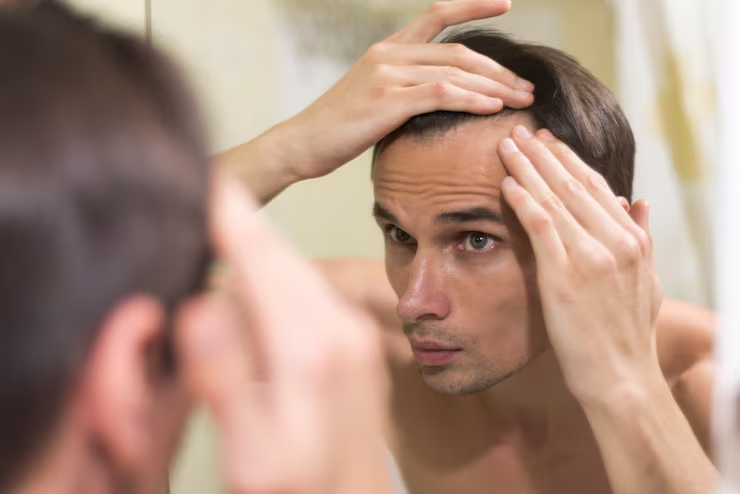
You might consider FUE hair transplant in London if you:
- Prefer short hairstyles
- Want minimal visible scarring
- Have mild to moderate hair loss
- Are concerned about post-operative tightness
- Wish to avoid stitches
FUE is often chosen by individuals seeking a less invasive appearance and flexibility in styling.
Who May Be Suitable For FUT?
You may consider FUT hair transplant in London if you:
- Require a large number of grafts
- Have advanced hair loss
- Usually wear longer hairstyles
- Want potentially higher graft yield in one session
FUT can be particularly beneficial when maximum graft efficiency is needed.
Results And Hair Growth Timeline
Regardless of the method chosen, the growth timeline is generally similar:
- Initial shedding of transplanted hairs occurs within weeks
- New growth typically begins around three to four months
- Noticeable improvement appears by six to nine months
- Full results are usually visible after 12 months
The quality of results depends more on surgical skill and planning than on the technique itself.
Cost Considerations
Costs can vary depending on clinic, surgeon experience, and number of grafts required.
- FUE may sometimes be priced higher due to the time-intensive nature of extraction.
- FUT may offer a slightly lower cost per graft in some cases.
However, pricing should not be the only deciding factor. Expertise and long-term outcomes are more important.
Importance Of Surgeon Experience
Choosing between FUE and FUT is not simply about technique — it is about selecting a qualified and experienced hair transplant surgeon. A reputable clinic in London should:
- Conduct a thorough scalp and donor assessment
- Discuss realistic expectations
- Explain risks and recovery clearly
- Offer personalised recommendations rather than one-size-fits-all solutions
The best technique is the one that aligns with your hair loss pattern, lifestyle, and long-term goals.
Risks And Considerations
Both FUE and FUT are generally safe when performed by experienced professionals. Potential risks may include:
- Swelling
- Temporary redness or scabbing
- Infection (rare)
- Shock loss
- Uneven growth if poorly executed
Careful adherence to post-operative instructions supports optimal healing and graft survival.
Final Thoughts
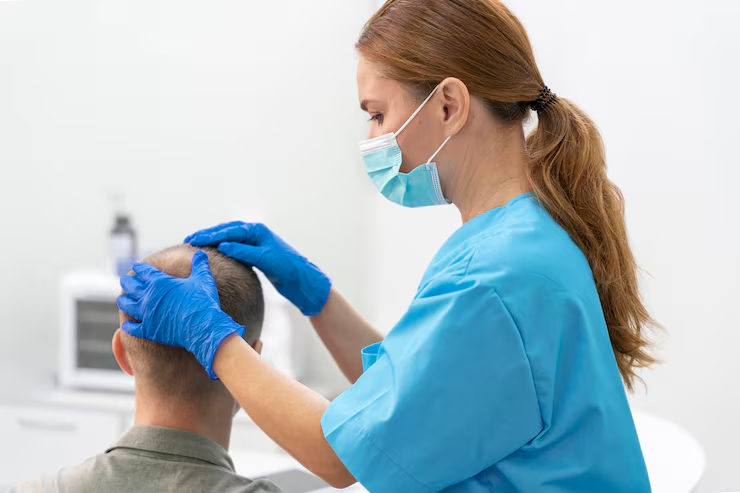
Deciding between FUE hair transplant in London and FUT hair transplant in London depends on several factors, including the extent of hair loss, hairstyle preferences, donor hair quality, recovery expectations, and long-term goals. Both techniques are effective and capable of producing natural results when performed by skilled surgeons.
A comprehensive consultation is the most important step. During this assessment, your specialist will evaluate your scalp, discuss your desired outcome, and recommend the technique that best suits your individual situation. With proper planning and realistic expectations, either method can restore hair density and improve confidence in a safe and structured way.
Disclaimer
The information provided in this article is for general educational purposes only and is not a substitute for professional medical advice, diagnosis, or treatment. Hair transplant procedures, including FUE and FUT, may not be suitable for everyone, and individual results can vary. Always consult with a qualified and experienced hair transplant surgeon or healthcare professional in London before making any decisions regarding treatment. The authors and publishers of this article are not responsible for any outcomes, complications, or adverse effects that may arise from following the information presented here.