





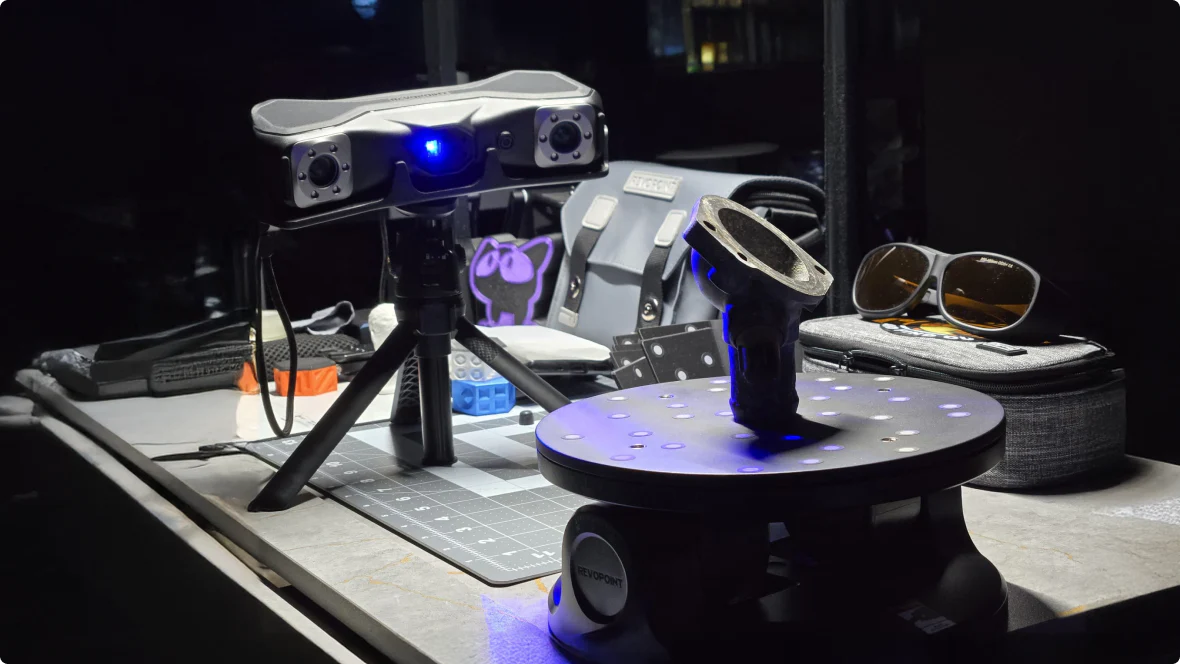
In 2026, 3D scanning technology has become more accessible, versatile, and essential than ever before. From hobbyists exploring creative projects to engineers and designers developing complex products, a 3d scanner has moved from a niche tool to a core part of modern workflows.
Whether for prototyping, reverse engineering, quality control, or 3D printing, scanners allow users to capture the exact geometry of real-world objects quickly and accurately. This capability saves time, reduces errors, and opens up new opportunities for creativity and innovation.
The Role of 3D Scanners for Everyone
3D scanning technology is no longer reserved for large industries or research labs. Today, both amateurs and professionals rely on 3d scanners to transform their ideas into digital reality.
Hobbyists can scan everyday objects or handmade creations to create 3D printable models. Designers and engineers, meanwhile, use scanners to capture prototypes, replicate components, and streamline production workflows.
The ability to convert physical objects into accurate digital models makes 3D scanners a versatile and indispensable tool across all skill levels.
How a 3D Scanner Works
A 3d scanner captures the shape and surface details of an object using sensors, light patterns, or lasers. Modern handheld scanners are particularly convenient, as they allow users to scan objects of varying sizes in different environments.
The device collects thousands of points across the object’s surface, forming a detailed digital representation. Software then processes this point cloud into a mesh, which can be refined, edited, and exported in standard formats like STL or OBJ.
Once the model is ready, it can be used for 3D printing, CAD design, reverse engineering, or analysis. This workflow eliminates the need for time-consuming manual measurements and modeling.
Benefits Across Industries
3D scanners offer a wide range of advantages that make them essential tools in 2026:
1. Precision and Accuracy
Capturing detailed surfaces ensures that digital models closely match the original object. For engineers and product developers, this level of accuracy is critical for prototyping and production.
2. Time Efficiency
Scanning an object takes minutes, compared to hours or days of manual measurement and modeling. Rapid digitization allows for faster iterations and accelerated workflows.
3. Versatility
A handheld 3d scanner can be used for almost any object, from small prototypes to larger components, in both studio and field environments.
4. Reverse Engineering
When original design files are missing, scanning existing parts provides a quick and reliable way to recreate them digitally.
5. Creative Applications
Artists, hobbyists, and educators can scan sculptures, collectibles, or handmade models to digitize, replicate, or enhance them in 3D software.
These benefits make 3D scanners valuable tools for a wide range of users, from casual makers to professional designers.
Handheld 3D Scanners: The Game Changer
Handheld 3D scanners have been a major driver of this technology’s popularity. Their portability and ease of use allow users to scan objects anywhere without complicated setups.
Modern handheld scanners also include features that improve accuracy and efficiency:
- High-resolution scanning for capturing fine details
- Real-time tracking to minimize errors while scanning
- Lightweight designs for comfortable use in different settings
- Software compatibility with CAD programs and 3D printing platforms
By combining portability and precision, handheld scanners make it possible for anyone to capture objects quickly, whether for professional projects or personal creative endeavors.
Applications for Professionals
Professionals across industries are leveraging 3D scanning for a variety of purposes:
- Product Development: Engineers can scan prototypes, iterate designs, and prepare models for 3D printing.
- Manufacturing and Quality Control: Scanning ensures parts meet design specifications, reducing costly errors and rework.
- Architecture and Construction: Designers scan models or existing structures for accurate digital documentation and planning.
- Medical and Healthcare: Custom prosthetics, dental devices, and anatomical models can be created with precise scanning data.
- Education: Students gain hands-on experience by scanning real-world objects and converting them into digital models.
These examples demonstrate that 3D scanners are not just tools—they are transformative instruments that enhance precision, speed, and creativity.
Revopoint: Bringing 3D Scanning to Everyone
Companies like Revopoint are making high-quality 3D scanning more accessible to all users. At Revopoint, creators, engineers, and hobbyists can explore advanced scanners that are accurate, portable, and easy to use.
Revopoint devices are known for:
- Capturing high-resolution, detailed scans
- Handheld portability for flexible workflows
- Real-time scanning for smoother results
- Seamless integration with CAD and 3D printing software
These features make Revopoint scanners ideal for anyone looking to integrate a 3d scanner or handheld 3d scanner into their creative or professional workflow.
Tips for Effective Scanning
To achieve the best results with 3D scanners:
- Ensure objects are well-lit to capture surface details accurately
- Keep the object stable to prevent distortions
- Scan from multiple angles to cover every surface
- Use software to clean and refine the mesh before exporting
Following these steps ensures that scanned objects are accurate and ready for 3D printing or further digital work.
Final Thoughts
In 2026, 3D scanning is no longer a luxury—it’s a necessity. From hobbyists creating personalized projects to professionals developing complex products, a 3d scanner provides unmatched accuracy, efficiency, and versatility.
Handheld scanners, in particular, allow users to capture objects anywhere, turning real-world items into precise digital models quickly and reliably. With innovative tools from companies like Revopoint, 3D scanning is accessible, practical, and essential for creative and technical workflows.
Whether for prototyping, reverse engineering, quality control, or creative projects, integrating a handheld 3d scanner into your workflow ensures your designs are accurate, detailed, and ready for the digital world.