




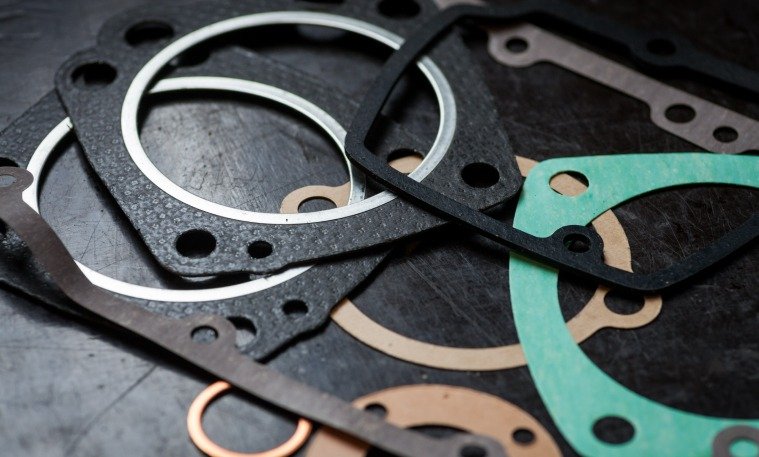
Industrial systems depend on durable sealing to ensure that they run safe and efficiently. The most popular seals employed in the present is the elastomer gasket. It is well-known for its elasticity long life, as well as consistent performance in harsh working conditions. Gaskets like these are used in many industries where preventing leaks and ensuring system high-quality is a top priority.
Introduction
Sealing parts may look simple at first glance. But their role is critical. A weak seal can cause fluid leaks. It can drop system pressure. It can even force a full shutdown.
That is why elastomer gaskets are widely used in industrial setups. Their elastic structure helps them adjust to surface flaws and daily operating changes. This makes them a strong option for systems that deal with heat, pressure, and chemical contact.
What Is an Elastomer Gasket?
An elastomer gasket can be described as an element of sealing made from elastic rubber material. This material compresses when placed between two surfaces. It then spreads to fill small gaps. Once pressure is applied, the gasket forms a firm seal. This seal blocks fluid and gas from escaping. Since elastomers return to their original shape, the gasket keeps working even when equipment expands or shrinks during use. This feature improves system balance and lowers repair needs over time.
How Elastomer Gaskets Work in Industrial Systems
Elastomer gaskets seal through steady compression. When surfaces are tightened together, the gasket material presses into surface flaws. This action creates a solid barrier against liquids and gases.Their flexible nature helps absorb vibration and pressure changes.This is important in systems that run nonstop or face changing loads.
Materials Used in Elastomer Gaskets
Different work environments need different elastomer materials. Nitrile rubber is often used in systems exposed to oil and fuel. It offers reliable resistance in such conditions.
EPDM rubber works well in systems that involve water, steam, and heat. It handles temperature changes with ease. Viton elastomers are chosen for high heat and chemical-heavy environments. Neoprene is common in general industrial use where steady performance is needed.
Advantages of Elastomer Gaskets
- They keep seals tight even under pressure.
- These gaskets also resist wear over time.
- They handle repeated compression without losing shape.
- Their ability to manage heat changes and chemical contact makes them suitable for heavy industrial work.
Common Industrial Applications
They stop fluid mixing and reduce leakage. They also help maintain heat transfer efficiency during pressure changes. In oil and gas systems, these gaskets seal pipelines, valves, and compressors. They perform well under high pressure and resist hydrocarbon exposure.They are also used in chemical plants, HVAC systems, and food processing equipment.In each case, the gasket material is selected based on operating needs and safety rules.
Choosing the Right Elastomer Gasket
- Selecting the correct elastomer gasket depends on the working environment.
- Pressure conditions must be reviewed.
- Chemical exposure must be considered.
- Using an unsuitable gasket can reduce service life.
- It can also increase repair costs.
- Correct selection helps protect equipment and ensures steady sealing performance.
Maintenance and Service Life
Elastomer gaskets usually need little upkeep. Still, routine checks are important. Inspections can reveal early signs of wear. Cracks and hardening are common warning signs. If properly maintained and a good choice of material Elastomer gaskets can provide reliable long-term usage.
Conclusion
Elastomer gaskets play an essential function in sealing systems for industrial use. Their extremely flexible designs and high performance makes them a trusted choice for many industries. When selected to match the application, these gaskets help improve efficiency.
They lower leak risks. They support smooth and stable system operation.