




Unwanted hair is something many people manage on a regular basis, whether through shaving, waxing, or hair removal creams. While these methods can be effective in the short term, they often require ongoing maintenance and can lead to irritation, ingrown hairs, and inconsistent results.
Laser hair removal offers a more advanced approach. It is designed to significantly reduce hair growth over time, providing a longer-lasting solution for smoother, clearer skin. As demand continues to grow across the UK, more people are exploring how this treatment works and whether it is the right option for them.
What Is Laser Hair Removal?
Laser hair removal is a non-invasive cosmetic treatment that uses concentrated light energy to target hair follicles beneath the skin. The pigment in the hair absorbs the light, which then damages the follicle and reduces its ability to produce new hair.
Because the surrounding skin is not affected, the treatment is considered both precise and safe when carried out by trained professionals. It can be used on a wide range of areas, including:
• Face
• Underarms
• Legs
• Bikini area
• Back and chest
The result is gradual, long-term hair reduction rather than instant, permanent removal after a single session.
How Does Laser Hair Removal Work?
Hair grows in cycles, and laser hair removal is most effective during the active growth phase. Not all hairs are in this phase at the same time, which is why a course of treatments is required.
During each session:
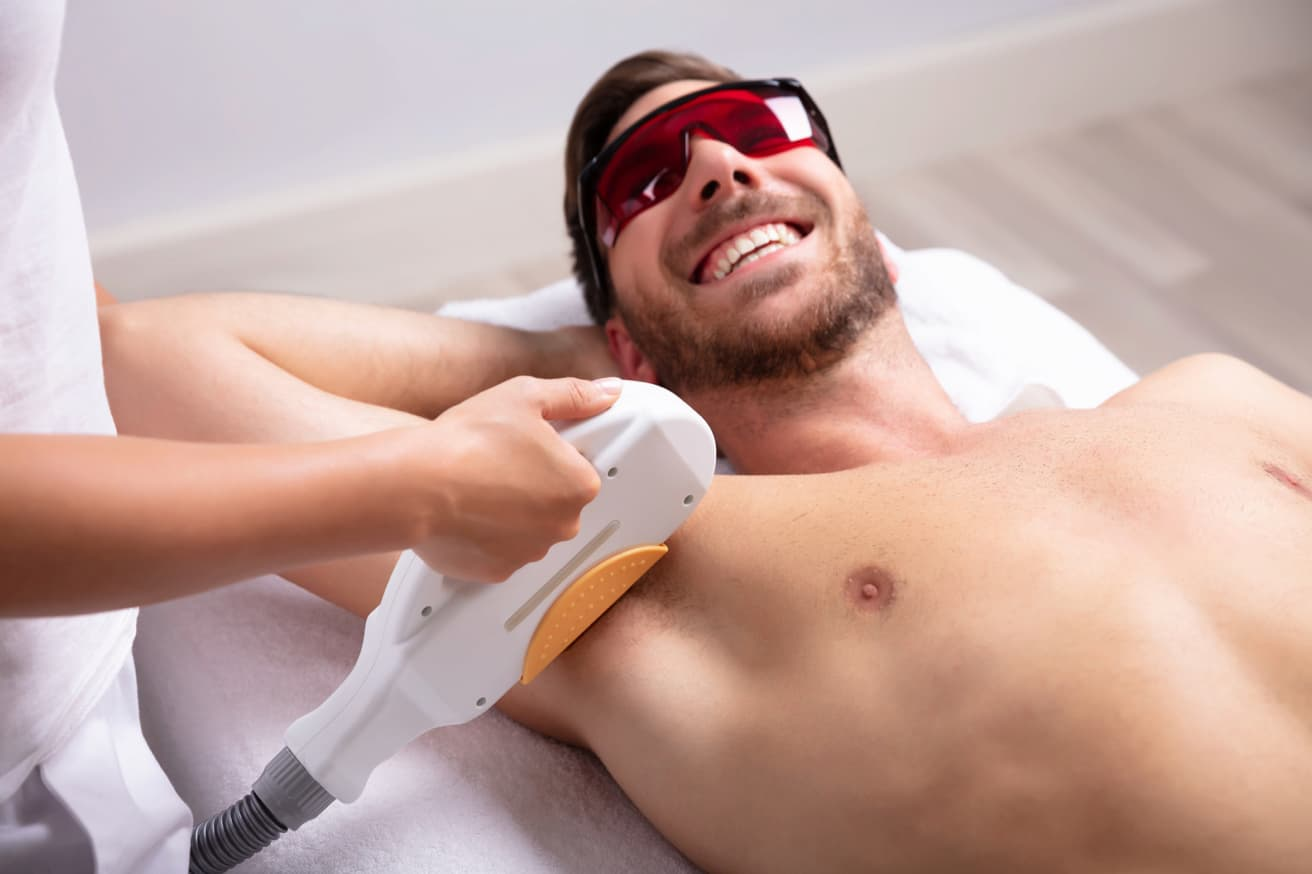
• A laser device delivers controlled pulses of light to the treatment area
• The energy targets multiple hair follicles at once
• Over time, treated hairs become finer, lighter, and slower to regrow
Most treatment plans involve multiple sessions spaced several weeks apart to ensure the best possible outcome.
Why Choose Laser Hair Removal Over Traditional Methods?
Many people turn to laser hair removal after becoming frustrated with the limitations of shaving or waxing. While traditional methods can remove hair temporarily, they do not address the root cause of growth.
Laser hair removal offers several advantages:
• Long-term reduction in hair growth
• Smoother skin with less stubble
• Reduced risk of ingrown hairs
• Less frequent maintenance over time
• More consistent results across treated areas
For individuals prone to irritation or razor burn, laser treatment can also be a gentler option in the long run.
What To Expect During Treatment
Before starting treatment, a consultation is usually carried out to assess your skin type, hair colour, and suitability for laser hair removal. This helps ensure that the treatment is both safe and effective.
During the session:
• The skin is cleansed and prepared
• A handheld device is used to deliver the laser energy
• You may feel a mild warming or snapping sensation
• Treatment time varies depending on the size of the area
Modern systems are designed with comfort in mind, often incorporating cooling technology to help protect the skin and minimise discomfort.
How Many Sessions Are Needed?
Laser hair removal requires a course of treatments to achieve optimal results. The exact number will vary depending on the individual, but most people can expect:
• Around 6 to 10 sessions for noticeable reduction
• Sessions spaced approximately 4 to 6 weeks apart
As the treatment progresses, hair regrowth becomes finer and less visible. Some maintenance sessions may be recommended in the future to maintain results.
Is Laser Hair Removal Suitable For Everyone?
Laser hair removal can be effective for a wide range of skin types and hair colours, although results are typically best when there is a contrast between darker hair and lighter skin.
Advances in technology mean that more skin tones can now be treated safely. But suitability should always be assessed during a professional consultation.
Certain factors may affect whether treatment is appropriate, including:
• Recent sun exposure or tanning
• Certain medications or skin conditions
• Pregnancy, depending on clinic guidance
A qualified practitioner will be able to advise on whether the treatment is suitable for you.
Does Laser Hair Removal Hurt?
Pain levels vary from person to person, but most describe the sensation as mild and manageable. It is often compared to a quick flick against the skin.
Compared to waxing, many patients find laser hair removal significantly more comfortable, particularly as sessions become quicker and hair becomes finer over time.
Aftercare And Results
After treatment, it is normal to experience slight redness or sensitivity, similar to mild sun exposure. This typically settles within a short period.
To support recovery and protect the skin:
• Avoid direct sun exposure
• Use gentle skincare products
• Avoid heat treatments such as saunas immediately after your session
Results develop gradually, with visible reduction in hair growth after a few sessions and continued improvement throughout the treatment course.
Is Laser Hair Removal Worth It?
For many people, laser hair removal is a worthwhile investment. While it requires an initial course of treatments, the long-term benefits often outweigh the ongoing cost and effort of traditional hair removal methods.
Over time, the reduction in hair growth can lead to smoother skin, fewer skin concerns, and greater convenience in day-to-day life.
Considering Laser Hair Removal?
If you are exploring laser hair removal, choosing a reputable, medically-led clinic is key to achieving safe and effective results. A professional consultation will help determine the most appropriate treatment plan based on your skin, hair type, and goals.
Clinics such as Azthetics offer advanced laser hair removal treatments in Bristol alongside expert dermatology care. If you are ready to move away from short-term solutions and are looking for a more reliable approach to hair reduction, laser hair removal could be the next step.
Disclaime
This article is intended for general informational purposes only and does not constitute professional dental or medical advice. The content is not a substitute for consultation, diagnosis, or treatment by a qualified dental professional. Always seek the advice of a dentist or registered dental hygienist regarding any concerns about your oral health.
While every effort has been made to ensure the accuracy of the information, individual dental needs and treatment recommendations may vary. References to specific clinics, services, or providers in Bristol, including DentaQuest, are for informational purposes only and do not represent endorsements or guarantees of service quality or outcomes.