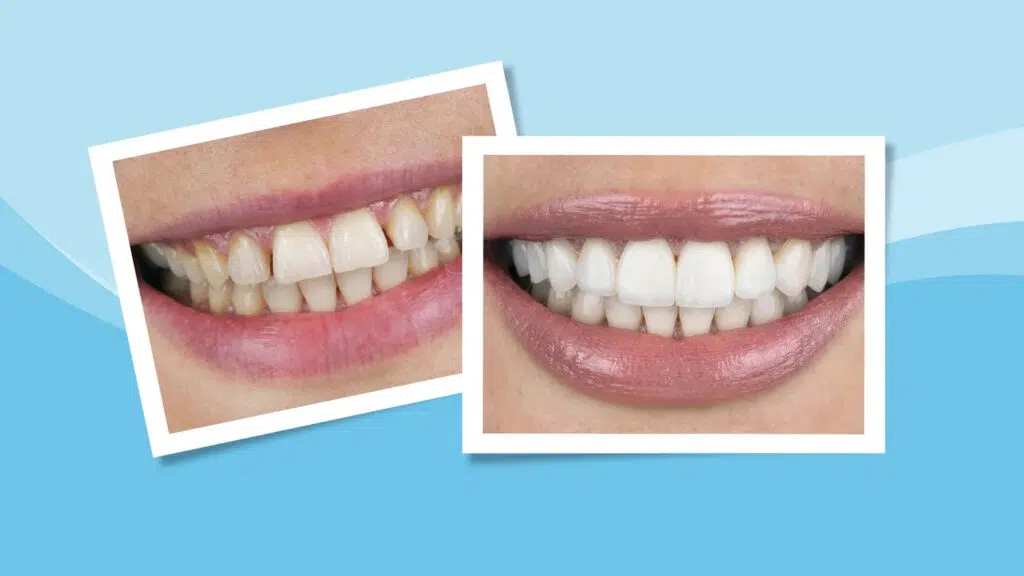






It’s easy for regular dentist appointments to become low-priority items on people’s to-do lists. Everything is fine, life is hectic, and “I’ll book that sometime soon” turns into a year later, and then two. It makes sense to put things off, yet this is also one of the most expensive examples of procrastination where one’s health is concerned – but not because missing the visit is such a dramatic thing in and of itself.
The Real Cost of Delaying Dental Care
Usually, most of the problems that affect the teeth are not emergencies. They begin small — a little bit of plaque accumulating at some hard-to-access areas of the mouth, an area of initial decay, gum irritation that is intermittent. Allowing all these problems to go untreated gives them sufficient time to evolve from being small to being bigger, such as cavities requiring fillings, decay that extends to the nerves, or gum disease that is irreversible.
The economic reasoning usually follows the same path as the medical reasoning does. The costs of an initial visit to the dentist are comparatively smaller. The cost of treating the problem that has remained untreated for several years – root canal treatments, extraction of the affected teeth, gum treatment – is usually much more expensive and invasive than that of an earlier diagnosis.
What a Regular Check-Up Actually Catches
A check-up is not just a tally of cavities; dentists are looking for early warning signs of periodontal disease, tooth wear due to grinding and clenching, and – crucially – early warning signs of oral cancer. All of which may occur asymptotically. This is the true value of regular dental check-ups versus reactive ones triggered by discomfort: by the time you notice the pain, the condition causing it has often progressed significantly.
X-ray scans, where necessary, serve to highlight cavities between the teeth or beneath the gum line, which cannot be seen during a physical examination. None of the above necessitates more than a routine, run-of-the-mill check-up.
The Link Between Oral Health and Overall Wellbeing
It can be tempting to consider oral health in isolation as though it is completely unrelated to any other bodily processes. There is mounting evidence, however, that there may well be links between oral diseases such as gingivitis and various health concerns, even including problems with the heart and diabetes complications. It’s hard to overlook the fact that the mouth plays a role in the state of the rest of the body.
This does not mean that all oral diseases are symptoms of some more serious problem. But it provides another reason why dental visits shouldn’t be considered merely an aesthetic concern.
Making It a Habit, Not an Emergency Response
One surefire way of keeping your dental health in order, even if it’s not an easy thing to do, is by scheduling appointments with your dentist on a consistent basis, once every six months, without a need for any particular reason. This will be significantly easier if you have a good relationship with your dental clinic Canberra can call their own, as the familiarity with your history at the place will allow your dentist to detect any changes easily.
If you haven’t visited your dentist in a while, there’s nothing to worry about — good dentists for residents of Canberra get used to having patients visit them after quite a long break, and the first appointment is typically going to be nothing but a routine check-up.
The Bottom Line
Regular dental checkups are perhaps one of the most straightforward ways of preventive healthcare and also one of those that is easiest to put off indefinitely. The benefit comes not from individual visits, but from the habit of addressing any minor issues as early as possible and avoiding them turning into major problems.