




Across both rural and suburban landscapes, the intersection of woodworking and land management continues to shape how people build, maintain, and improve their outdoor environments. Whether it’s crafting durable wooden structures or using reliable equipment to prepare land, the emphasis has shifted toward longevity, efficiency, and thoughtful design. Homeowners, farmers, and contractors alike are no longer satisfied with quick fixes—they’re investing in solutions that stand the test of time.
This growing interest reflects a deeper appreciation for materials, craftsmanship, and the tools that bring projects to life. From selecting the right type of wood to understanding how land equipment impacts long-term results, each decision plays a critical role in the outcome.
Understanding Wood as a Functional Material
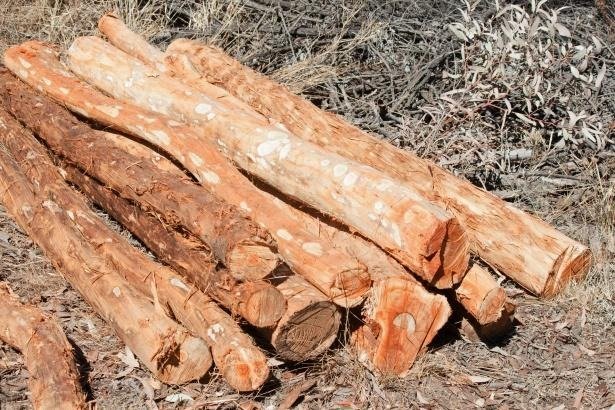
Wood remains one of the most versatile materials in outdoor construction, valued for both its aesthetic appeal and structural reliability. However, not all wood performs the same way under environmental stress. Factors such as moisture exposure, temperature changes, and insect activity can significantly influence durability. Choosing the right species and treatment method is essential for ensuring long-term performance.
According to research on wood preservation and characteristics from the National Park Service, certain wood types naturally resist decay while others require treatment to withstand outdoor conditions. You can explore more about these properties through this resource on wood objects and preservation. This kind of insight helps builders make informed decisions that reduce maintenance and extend the life of their projects.
Balancing Aesthetics and Durability
While durability is critical, visual appeal still matters—especially in residential settings. Cedar, redwood, and pressure-treated pine are popular choices because they strike a balance between strength and appearance. The key lies in understanding how each material behaves over time and planning accordingly, whether through sealing, staining, or structural design adjustments.
The Role of Equipment in Land Preparation
Before any structure is built, proper land preparation sets the foundation for success. This is where high-quality equipment becomes indispensable. From clearing debris to leveling terrain, the right machinery ensures efficiency and precision, minimizing costly errors and delays.
Modern land equipment is designed not only for power but also for adaptability. Attachments and specialized tools allow operators to handle a wide range of tasks without switching machines. This flexibility is particularly valuable for projects that involve both agricultural and residential elements.
Efficiency Through Smart Tool Selection
Choosing equipment isn’t just about horsepower—it’s about matching the tool to the task. For example, rotary cutters are ideal for managing overgrown fields, while box blades excel at grading and leveling. Investing in well-built equipment reduces downtime and maintenance, ultimately saving both time and money over the course of a project.
Connecting Design with Practical Execution
Outdoor projects often fail not because of poor ideas, but because of disconnects between design and execution. A well-designed structure requires equally thoughtful preparation and implementation. This includes everything from soil stability to drainage planning, both of which can impact the longevity of wooden builds.
Interestingly, this connection between design and execution is also evident in interior spaces. For a broader perspective on how design principles translate across environments, this discussion on the link between interior design services highlights how planning and material choices influence outcomes. The same philosophy applies outdoors—every detail contributes to the overall performance of a project.
Planning for Long-Term Performance
When design and execution align, the result is more than just functional—it becomes sustainable. This means considering how materials age, how equipment impacts the land, and how structures will be used over time. Proper planning reduces the need for frequent repairs and ensures that projects remain reliable for years to come.
Why Quality Tools and Materials Matter
There’s a noticeable difference between projects built with premium tools and materials versus those constructed with lower-quality alternatives. Precision, consistency, and durability are all influenced by the quality of what’s used. While upfront costs may be higher, the long-term benefits often outweigh the initial investment.
Professionals in the field consistently emphasize the importance of sourcing dependable equipment and materials. For those looking to explore reliable solutions for land management and outdoor work, options like Tar River Timber Works offer equipment designed to handle demanding conditions while maintaining consistent performance.
Reducing Maintenance and Downtime
High-quality equipment not only performs better but also requires less frequent maintenance. This translates into fewer interruptions and more efficient workflows. Over time, this reliability becomes a significant advantage, particularly for large-scale or ongoing projects.
Adapting to Changing Needs in Outdoor Spaces
Outdoor spaces are evolving. What was once purely functional land is now being transformed into multi-purpose environments that combine agriculture, recreation, and aesthetics. This shift demands a more integrated approach to both design and execution.
Equipment must be versatile enough to handle diverse tasks, while materials must support both visual appeal and structural integrity. This adaptability is becoming a defining factor in successful projects, as it allows spaces to evolve without requiring complete overhauls.
Sustainability as a Growing Priority
Another important consideration is sustainability. Using responsibly sourced wood and efficient equipment reduces environmental impact while maintaining high standards of quality. This approach not only benefits the environment but also aligns with the expectations of modern property owners who value responsible practices.
Conclusion
The success of any outdoor project depends on a combination of thoughtful design, quality materials, and reliable equipment. Wood remains a timeless choice for construction, offering both beauty and functionality when selected and treated correctly. At the same time, modern land equipment plays a crucial role in preparing and maintaining the environment where these structures exist.
By understanding how these elements work together, builders and property owners can create spaces that are not only visually appealing but also durable and efficient. The emphasis on long-term value, rather than short-term convenience, continues to shape the way outdoor projects are approached today—and it’s a trend that shows no signs of slowing down.
Disclaimer
The information provided in this article, “The Enduring Value of Quality Woodworking and Land Equipment in Modern Outdoor Projects,” is intended for general informational and educational purposes only. It does not constitute professional construction, engineering, landscaping, or equipment operation advice.
While efforts have been made to ensure accuracy, material performance, equipment suitability, and best practices may vary depending on environmental conditions, project requirements, and local regulations. Readers are encouraged to consult with qualified professionals, contractors, or equipment specialists before making decisions related to woodworking, land preparation, or outdoor project execution.