





Starting a family is one of the most natural forms of happiness, but for many couples in the UK, conceiving can be rather challenging. While attention often focuses on female fertility, male reproductive health is resposnible to nearly half of all conception difficulties, making it equally important to address. Male fertility cannot be self-assessed. You may be in good health, have a good exercise routine, and not have any such symptoms at all, but still have some difficulties in the process of conception.
Under such circumstances, male fertility testing turns guesswork into clarity. Men across Greater Manchester looking for details about their reproductive health must get professional semen testing in Manchester. It is the clinical basis that transforms the uncertainty into the next action steps.
What semen analysis actually tell you about your fertility
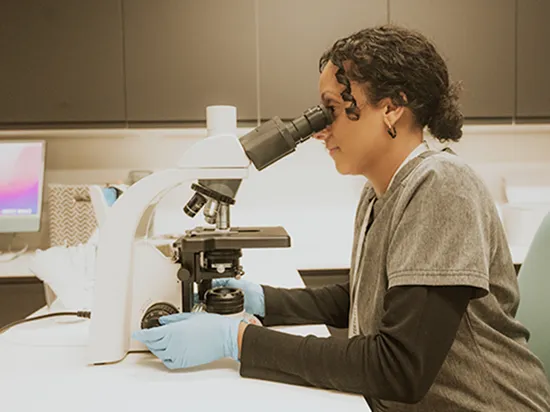
Understanding your fertility would start with what is happening at the microscopic level, and that is precisely what semen analysis offers. This lab test examines three key variables that directly determine whether you are fit to conceive naturally.
First, it measures sperm concentration to confirm you are producing sufficient numbers. Next, it evaluates motility, checking whether enough sperm swim with the forward progression needed to reach and fertilise an egg. Finally, morphology assessment determines what percentage has the normal shape required for successful fertilisation. When you undergo semen testing Manchester, these three parameters work together to give a complete picture of your reproductive potential.
In addition to these fundamentals, the test also measures semen volume and pH, which are used to assess the function of your reproductive glands. Moreover, white blood cell counts can identify hidden infections that cause infertility. This comprehensive approach shows the importance of male fertility testing as your primary tool for understanding what’s really happening with your reproductive health.
How testing identifies the root cause of fertility challenges
Getting your results is where things get genuinely helpful. Rather than wondering what might be wrong, semen testing Manchester provides clear answers to reproductive health. The reports indicate:
- Low sperm count is a sign of hormonal imbalances, varicoceles, or genetic influences on production.
- Poor motility is caused by DNA damage or antibody issues
- Genetic factors or environmental exposures cause abnormal morphology.
- Reduced volume may indicate blockages or gland dysfunction.
When a male infertility specialist Manchester conducts semen testing in Manchester, they look at how these parameters interact to determine what’s actually causing your fertility challenges.
Understanding the fertility potential through advanced analysis
Standard semen analysis gives essential details; however, certain fertility issues go undetected by basic testing. This is where advanced testing becomes necessary for couples who are struggling despite normal basic values.
Specialist testing includes:
- DNA fragmentation testing, which analyses the genetic integrity of your sperm.
- Antibody screening detects immune system interference with sperm.
- Comprehensive hormone testing includes testosterone, FSH, and LH levels
- Genetic screening detects chromosomal abnormalities affecting fertility.
A thorough male reproductive health check-up includes this deeper level of analysis that basic testing leaves unanswered, giving you the complete picture needed for effective treatment planning.
How regular testing tracks your fertility improvements
A single test tells you your current state, but it is important to get frequent testing to get a picture of the ongoing journey. When you are working to improve male fertility naturally, through diet, exercise, and stress management, follow-up semen testing in Manchester every 3 months will help you see whether the changes are making a difference.
Testing timeline:
- Baseline test shows the point at which you are beginning.
- Then, a 3-month test shows the effects of the lifestyle change.
- A six-month follow-up is a check to track the effectiveness of treatments.
- Lastly, continuous tracking keeps your progress on track.
This is important because it takes approximately 74 days for the sperm to fully develop. Monitoring results over time implies that you are not only wishing that things are getting better but actually confirming they are.
Why accessing expert interpretation makes all the difference
Test results are one thing, but another, most important thing is understanding the parameters of test results. It shows the various benefits of seeing a fertility specialist. A specialist doesn’t just look at figures in the report; they see the bigger picture, consider your age, health history, and lifestyle, and then interpret what’s actually happening.
This considerate, patient-centred approach through the male fertility clinic Manchester services ensures that you get a top-notch appointment, with a much clearer picture of where things stand and what steps to take next.
Conclusion
Taking a step towards understanding your reproductive health is now easier with semen testing Manchester. For couples, professional semen testing in Manchester delivers the definitive answers that transform uncertainty into informed, confident action towards achieving your family planning goals. Once you have the right information, everything else falls into place, from treatment decisions to lifestyle changes that actually make a difference.
The Male Fertility Clinic in Manchester brings together advanced diagnostic capabilities with specialist expertise, helping men throughout the region understand their reproductive health with complete clarity. Their approach combines thorough testing with consultation, ensuring you understand what they mean for your specific situation and the realistic options available to you moving forward. Professional semen testing Manchester is the first step that changes everything.
Disclaimer
The information provided in this article, “Understanding Male Fertility Through Semen Testing in Manchester,” is intended for general informational and educational purposes only. It should not be considered medical advice, diagnosis, or treatment. While the content discusses semen testing and male fertility assessments, it is not a substitute for consultation with a qualified healthcare professional or fertility specialist.
Individual health conditions and fertility concerns can vary significantly. Readers experiencing fertility challenges or considering semen analysis should seek guidance from a licensed medical practitioner or a certified fertility clinic for personalised evaluation and treatment recommendations.