



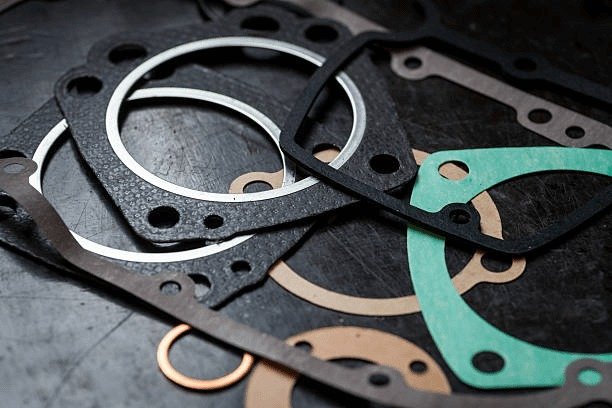
Step into the factory and have a look at the surroundings. There are massive machinery, lengthy pipes and powerful pumps that are running side-by-side. It appears solid and sturdy on the outside. But tiny parts inside keep everything sealed and sealed. One of the most important components is the gasket. That’s why working with an expert in manufacturing and supplying gaskets is essential for modern-day industries.
The majority of companies can’t afford to risk leaks or sudden shutdowns. One small sealing problem can pause production for hours. It can harm expensive machines. It can even put workers at risk. A good gasket manufacturer does not just cut shapes from raw material. The supplier takes time to check how the gasket will be used. They look at system pressure. They review the heat level. They check for chemical contact.
Understanding the Role of Gaskets in Industrial Applications
Gaskets are positioned between two surfaces. Their task is simple. They can be used to seal tiny gap and prevent leaks. It sounds easy however the real working conditions can be very tough. Many systems operate under extreme temperature and high pressure. In these situations the gasket needs to stay firm and maintain its shape.
Think about gas and oil plants. A leaky seal can cause significant damage. In power stations pressure systems, they must remain tightly shut to keep the system running smoothly. In food processing plants, clean sealing helps prevent contamination. In the automotive industry gasket quality is a factor that determines the length of time an engine will last and how it performs. Gaskets may appear small in terms of size but their function is a serious one. They assist systems across a variety of industries each day. When they are working properly, production progresses without stress. When they fail, the costs rise and risks increase. This is why selecting the correct gasket and the most reliable supplier makes a big difference.
Common Types of Gasket Materials
Gasket performance depends on material. Different conditions need different materials. Some materials handle heat well. Others resist chemicals or high pressure.
Standard Gasket Materials
- Rubber – Flexible, good for water, oils, and low pressure
- Graphite – Handles high heat, good for steam systems
- Metal – Strong seal under heavy pressure
- Non-Asbestos Fiber – Common in many industrial systems
Each material type is chosen based on system needs. The right choice prevents early wear and failure.
How to Choose the Right Gasket Supplier
Choosing the right supplier matters as much as choosing the right material. A skilled gasket supplier can help you avoid costly mistakes.
Questions to Ask a Gasket Supplier
Before you buy ask:
- What quality standards do you follow?
- Can you make custom gaskets?
- Do you work with our industry or system type?
- What delivery support do you offer?
Custom Gasket Solutions
Not all machines use standard parts. Some equipment needs gaskets made to exact size and shape. A good supplier can make custom gaskets based on drawings or sample parts. Custom gaskets help systems run without modification or risk.
Benefits of Custom Gaskets
- Better fit for unique equipment
- Faster installation
- Reduced chance of leaks
- Longer service life
Custom gasket services are key for industries with special machines.
Quality Standards and Testing
Quality assurance matters for industrial gaskets. Good companies follow strict testing. They check thickness, strength, flexibility, and resistance. They ensure each gasket is safe and ready to perform in real work conditions.
Common Tests in Gasket Production
- Pressure resistance test
- Heat resistance test
- Chemical exposure test
- Dimensional accuracy test
Benefits of Working With a Gasket Expert
Working with an experienced gasket supplier brings many benefits. A supplier with real expertise helps you save time, reduce costs, and improve safety.
Perks of a Good Supplier
- Expert material choice support
- Fast delivery when needed
- Quality products with consistent performance
- Support for custom gasket needs
- Clear advice for complex systems
Good suppliers help you plan ahead. They help keep your systems running without interruptions.
Common Mistakes in Gasket Selection
- Choosing the wrong material for the environment
- Using the wrong gasket thickness
- Ignoring pressure or temperature limits
- Buying from untested suppliers
- Not checking quality standards
What Makes a True Expert in Manufacturing and Supplying Gaskets
Anyone can claim to produce gaskets. Real expertise shows in the details. An experienced manufacturer knows how different materials react under stress. Rubber behaves differently from graphite. PTFE responds differently compared to metal. Each material has its strengths and limits. An expert supplier asks the right questions. What is the maximum temperature? What chemicals are present? How much pressure will the system handle? Is vibration a factor? These details guide the material choice and thickness. Experience also brings strong quality control practices. Skilled manufacturers check measurements carefully. They test durability. They confirm that each gasket meets required standards.
Modern Manufacturing Methods That Improve Accuracy
Today’s gasket production uses precise equipment. CNC cutting machines create exact shapes with tight tolerances. Die-cutting allows for large batch production with uniform results. Molding techniques help form complex shapes for specialized applications. Updated machinery reduces human error. It ensures that every gasket matches the required dimensions.Reliable suppliers invest in their production lines. They maintain equipment regularly. They train staff to handle materials correctly. This combination of technology and skilled workers improves final product quality.
Why Experience Reduces Risk
Experience brings practical knowledge. A seasoned manufacturer has likely seen a wide range of sealing problems. That background helps identify issues quickly. When a client reports repeated gasket failure, an expert can analyze the situation. It may suggest a different material or thickness. It may recommend design changes. This problem-solving ability saves money.
Financial and Operational Benefits
Good gaskets protect expensive equipment. They prevent fluid loss. They reduce maintenance frequency. They improve safety conditions for workers. A reliable sealing system lowers the chance of emergency repairs. It supports steady production.
Conclusion
Gaskets aren’t huge however they play an important function to keep industrial equipment secure and functioning without leaks. Making the right choice of product and working with a reputable expert will ensure higher performance, less risk, and long-term stability for your business.