




Bootstrapping has always been a legitimate path. Mailchimp did it. Basecamp did it. Dozens of software companies worth hundreds of millions of dollars built themselves without ever touching venture capital. The bootstrapped path is not new. What is new is how it works, and what is possible on it today compared to even five years ago.
The old model of bootstrapping was essentially a story about frugality and patience. Keep costs as low as possible. Grow slowly from revenue. Reinvest every dollar back into the business. Resist the temptation to spend money you do not have. That model still works, but it operated within the constraints of what a small, resource-limited team could practically build. Those constraints have shifted considerably.
What Has Changed
The most significant change for bootstrapped founders is the collapse of the cost of building software. The infrastructure that once required a funded team with dedicated engineers can now be assembled by a single founder using tools that cost a fraction of what development used to cost and take a fraction of the time.
This is not a marginal improvement. It is a structural shift in what bootstrapping actually means. A bootstrapped founder in 2026 can build and operate a SaaS product with functionality that would have required a funded team of five or six people in 2018. The ceiling on what one or two people can build and run has risen substantially, which changes the economics of the whole approach.
The Tool Multiplier
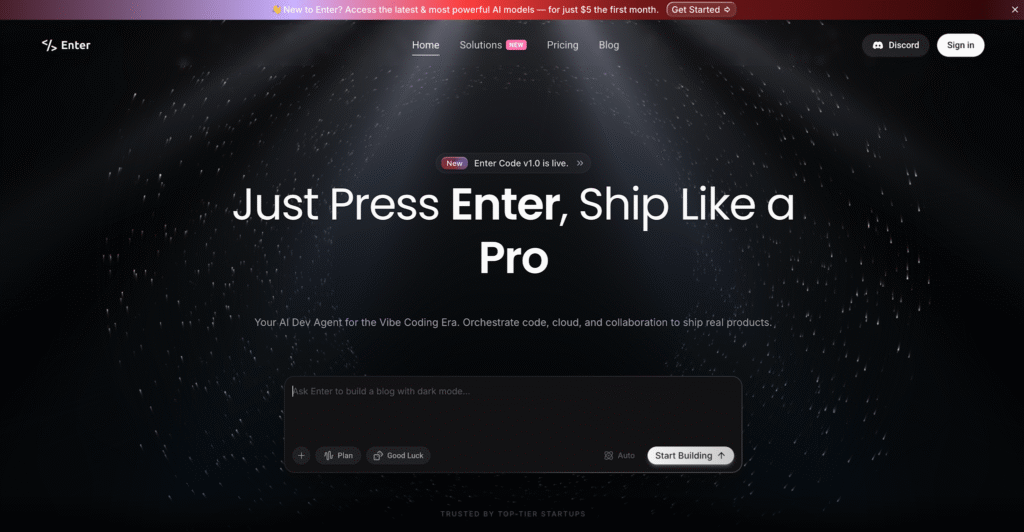
The concept that matters most in modern bootstrapping is the tool multiplier: the idea that the right platform does not just replace a cost but expands your actual capability. A founder building on Enter Pro is not just saving the money they would have paid a developer. They are gaining the ability to build and iterate on a product themselves, which gives them a feedback loop that is fundamentally tighter than any outsourced development arrangement.
That tighter feedback loop is worth more than the cost savings. When you can respond to customer feedback in days rather than weeks, you learn faster. When you learn faster, you make better product decisions. Better product decisions lead to better retention, which leads to better economics, which leads to a healthier bootstrapped business. The tool multiplier compounds.
Focusing on Revenue From Day One
The discipline that separates successful bootstrappers from struggling ones is a genuine, uncompromising focus on revenue. Not user counts. Not engagement rates. Not social media followers. Revenue: the kind that is repeatable, grows over time, and actually funds the cost of running the business.
This focus sounds obvious when stated directly. It is less obvious in practice because the startup world celebrates many metrics that are not revenue, and the temptation to optimize for those metrics is real. Bootstrappers do not have the luxury of optimizing for growth metrics that do not pay the bills. That constraint, uncomfortable as it sometimes feels, tends to produce better businesses because founders have to stay close to what customers actually value enough to pay for.
Choosing the Right Business Model for Bootstrapping
Not every business model is equally suited to the bootstrapped path. The models that work best tend to share a few characteristics. Short sales cycles, because bootstrapped founders cannot afford to wait six months for an enterprise deal to close. Relatively low customer acquisition costs, because there is no war chest to fund expensive paid channels. And the ability to deliver value quickly enough that customers are willing to pay before the founder runs out of working capital.
Vertical SaaS products, tools built for specific professional niches, and productivity tools for particular workflows tend to fit this profile well. The founder who has deep expertise in an industry and builds a targeted tool for that industry often has a natural distribution advantage through their existing professional network and a clearer value proposition than a horizontal product trying to serve everyone.
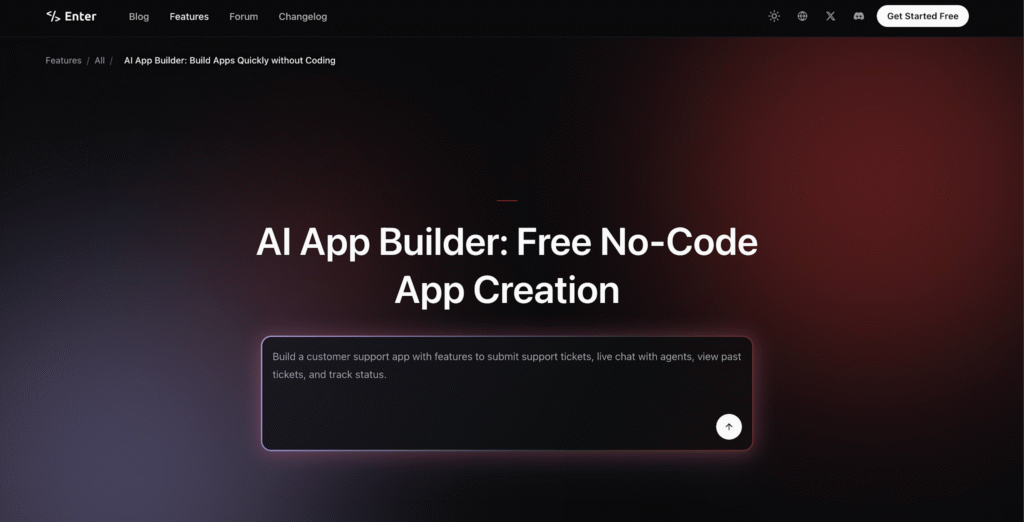
Using an AI app builder to build these focused products quickly is particularly well-suited to the bootstrapped approach. You are not trying to build everything. You are trying to build the specific thing that a specific group of people need badly enough to pay for it. Fast, focused building is exactly what that requires.
The Strategic Fundraise Option
Bootstrapping does not have to be permanent. Some of the most well-positioned funding conversations happen when a bootstrapped founder walks into them with twelve or eighteen months of revenue history and clear growth momentum. They are not raising out of desperation. They are raising from strength, to accelerate something that is already working.
The terms that come out of those conversations tend to be significantly better than the terms available to a pre-revenue company pitching on vision and team alone. The bootstrapped founder gives up less equity, retains more control, and enters the investor relationship as a genuine partner with advantage rather than as someone who needs the money to survive.
For founders with the patience and the discipline to get there, the bootstrapped path to fundraising is increasingly the smarter choice. It is harder in the early months. It pays off substantially in the long run.
There is also something to be said for the discipline that bootstrapping imposes on the way you communicate with potential customers. When you do not have a large budget for paid acquisition, you are forced to earn attention through genuine value. The content you write has to be worth reading. The conversations you have have to be genuinely useful to the person on the other end. This discipline, developed under constraint, tends to produce better marketing instincts that persist even after the business has resources to spend on broader channels.
The bootstrapped founder also develops a specific kind of customer intuition that funded founders often lack. When every customer matters to the survival of the business, you pay a different quality of attention to each one. You notice what they actually do with the product versus what they said they wanted. You pick up on the difference between the customer who is enthusiastic but not deeply engaged and the one who is quieter but using the product every single day. That quality of attention, developed under the pressure of needing every customer to stick, produces market insight that no amount of research spending can replicate.