





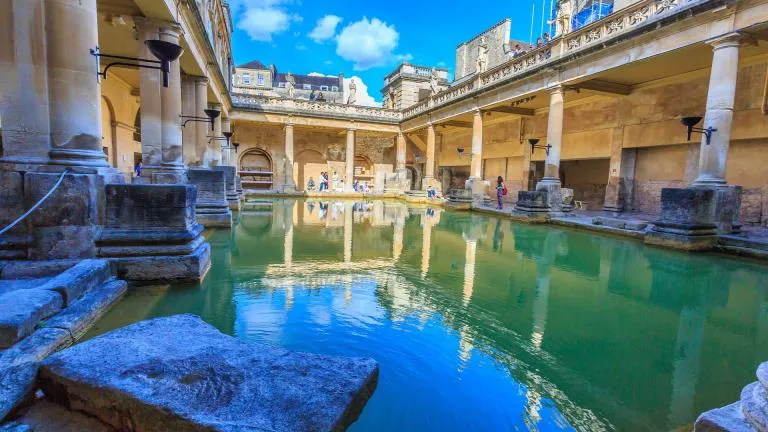
The Birth of Roman Bathhouses
Roman bathhouses were more than just places for bathing; they stood as cultural and social hubs. These structures were a testament to the architectural ingenuity of ancient Rome, combining functionality with aesthetics. As a center of daily life, bathhouses provided not only hygiene but also relaxation, acting as the predecessors to modern wellness centers.
The strategic design of Roman bathhouses incorporated a series of rooms with varying temperatures. Visitors could transition from the frigidarium, a cold room, to the tepidarium, a warm room, and finally, to the caldarium, a hot room. This sequential movement was not only refreshing but also therapeutic, embodying the Roman approach to wellness and health.
Many bathhouses employed advanced engineering techniques, including the Roman underfloor heating system. This innovative system utilized hypocausts to distribute warm air beneath the floors, ensuring a comfortable ambient temperature. For more on this, explore the Roman underfloor heating system.
Technological Marvels of the Roman Bathhouses
The architecture of Roman bathhouses was a testament to ancient engineering prowess. Hypocaust systems revolutionized heating, providing an even and regulated warmth throughout the bathing areas. This technology was ahead of its time and paved the way for modern heating solutions.
In addition to heating, bathhouses employed efficient water management systems. Aqueducts and lead pipes ensured a constant flow of fresh water to supply the baths. These innovations underline the Romans’ sophisticated approach to hydraulic engineering, crucial for the functioning of bathhouses.
The integration of these technologies into public bathing facilities highlights the Romans’ commitment to public health and wellbeing. The seamless combination of form and function in these buildings exemplifies a holistic approach to wellness, influencing later architectural designs.
The Social Aspect of Roman Bathhouses
Roman bathhouses were vital social centers where individuals gathered not just for bathing but for social interaction and relaxation. These spaces were the equivalents of modern-day social clubs, where people met to discuss politics, business, and daily life.
The grand architecture of bathhouses, complete with ornate decorations and spacious courtyards, provided an indulgent backdrop for leisure activities. Bathhouses often hosted gymnasiums, libraries, and even lecture halls, making them centers of learning and entertainment.
This multifaceted use of space highlights the Romans’ appreciation for community and shared experiences. The inclusive nature of bathhouses fostered a sense of community, influencing how public spaces were designed in subsequent cultures and civilizations.
The Influence on Modern Wellness Architecture
The principles and designs of Roman bathhouses have left an indelible mark on modern wellness and spa architecture. Today’s luxurious spas often emulate the multi-room, varying temperature model first seen in Roman times. The concept of transitioning from hot to cold environments to promote circulation and relaxation has transcended centuries.
Modern wellness centers also mirror the Roman focus on community, often featuring communal areas for relaxation and socialization. This approach emphasizes the connection between physical wellness and social engagement, a key component of holistic health.
By incorporating natural light, open spaces, and calming water features, modern wellness facilities echo the aesthetics of Roman bathhouses. The blend of functionality and luxury in these spaces continues to inspire architects and designers around the world.
Related article: Discover smooth laser hair removal results
Cultural Significance and Legacy
Roman bathhouses have had a lasting cultural impact, influencing not only architecture but societal norms regarding cleanliness and health. The communal aspect of bathing nurtured social bonds and established cleanliness as a communal practice, a concept that has endured through time.
Their design principles emphasized balance, harmony, and the integration of human needs with architectural form. This approach laid the groundwork for future architectural advances, reinforcing the importance of designing spaces that cater to both aesthetic and practical needs.
The enduring allure of Roman bathhouses lies in their harmonious blend of beauty and utility. Their legacy continues to be seen in public baths and spas today, which remain centers for health, relaxation, and social interaction.
Key Elements of Roman Architectural Design
The architectural design of Roman bathhouses was characterized by several key elements that contributed to their effectiveness and beauty. Vaulted ceilings, for instance, provided both structural integrity and aesthetically pleasing spaces. These innovations in construction techniques allowed for expansive and durable public buildings.
The use of mosaics and detailed frescoes adorned the bathhouse interiors, offering visual delight and cultural expression. Such decorative arts not only displayed craftsmanship but also served storytelling purposes, embedding cultural narratives within these spaces.
Furthermore, the spatial organization of Roman bathhouses was meticulously planned to enhance user experience. By creating a seamless flow between rooms, the Romans ensured a fluid transition that maximized comfort and functionality, setting a standard for future public building designs.
Contemporary Applications and Inspirations
Today’s architects and designers draw inspiration from Roman bathhouses in creating spaces that promote wellness and social interaction. The emphasis on environmental control, seen in the careful regulation of temperature and humidity, reflects the advanced systems developed by the Romans.
Many contemporary public and private spaces incorporate elements reminiscent of Roman bathhouses, such as communal pools, steam rooms, and open courtyards. These features enhance user well-being by providing places for relaxation and community engagement.
The timeless appeal of Roman architectural principles continues to resonate, influencing multifunctional spaces that balance aesthetics with practical living needs. Contemporary wellness architecture owes much to the sensory experiences first crafted by Roman architects.
Frequently Asked Questions
What made Roman bathhouses unique?
Roman bathhouses were unique due to their advanced engineering, including underfloor heating and intricate water systems. They also served as social hubs where people could gather for relaxation and discussion, integrating cultural, leisure, and communal activities.
How do modern spas compare to Roman bathhouses?
Modern spas often replicate the multi-temperature room design and social focus of Roman bathhouses. They emphasize wellness and community, utilizing innovations in environmental control reminiscent of Roman engineering.
Were bathhouses accessible to everyone in ancient Rome?
Yes, Roman bathhouses were predominantly public facilities accessible to a broad segment of the population. They played an important role in Roman daily life, promoting hygiene and community interaction regardless of social class.
What architectural features were common in Roman bathhouses?
Common features included hypocaust heating, vaulted ceilings, and decorative mosaics. These elements combined functionality with artistic beauty, creating spaces that were both practical and aesthetically pleasing.
What can we learn from Roman bathhouses today?
Roman bathhouses teach us about the value of integrating technology and design to promote wellness. They highlight the importance of creating spaces that foster physical health and social connection, principles that are highly relevant in modern design.
Conclusion
Roman bathhouses stand as a testament to the ingenuity and foresight of ancient Roman architects and engineers. Their influence on modern wellness architecture is unmistakable, demonstrating how past innovations continue to shape contemporary design. The blend of community focus, technological advancement, and aesthetic beauty in these structures offers lasting lessons in crafting spaces that promote health and happiness.
As we look towards the future, the principles established by Roman bathhouses serve as valuable guides in our pursuit of creating environments that nurture both body and soul. Their enduring elegance and functionality remind us of the timeless pursuit of wellness and community engagement.